
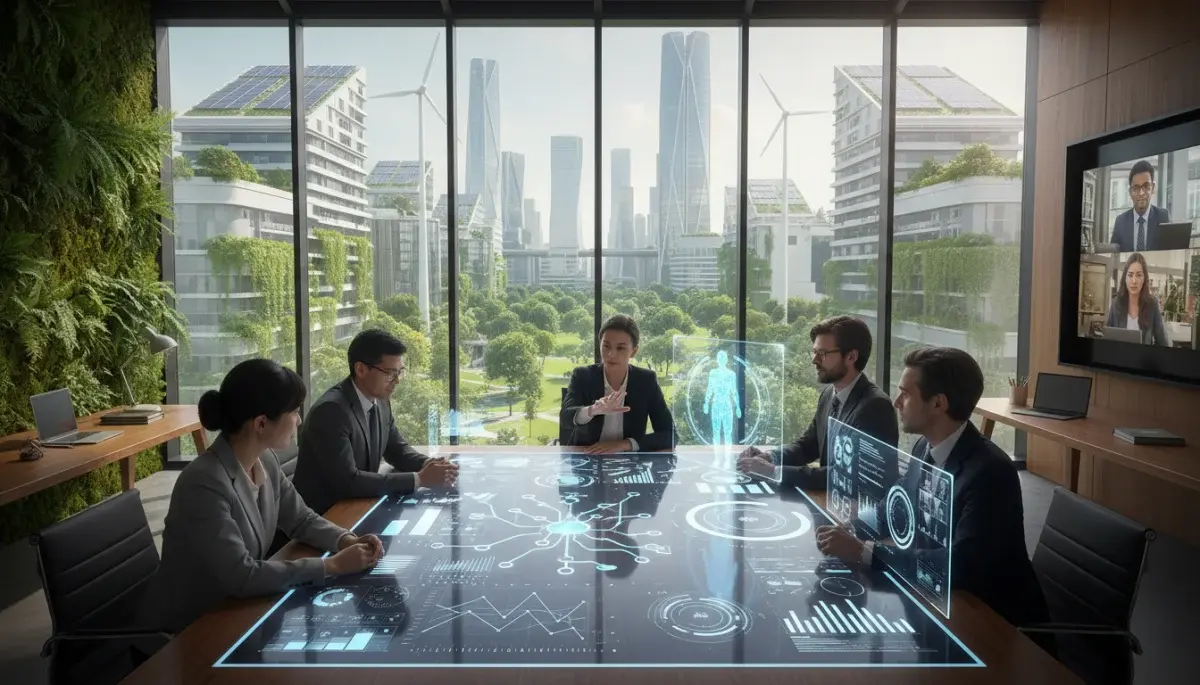
Introduction to the Experience Economy
The experience economy has evolved beyond traditional product and service offerings, focusing instead on creating memorable and emotionally resonant experiences. This shift requires a deep understanding of customer behavior and the integration of digital and physical realms to craft experiences that are both scalable and emotionally impactful.
Understanding Customer Journey Mapping
Customer journey mapping is a critical tool in the experience economy. It allows businesses to visualize the entire customer experience, from initial awareness to post-purchase interactions. By mapping out these journeys, companies can identify pain points and opportunities for enhancement, ensuring a seamless and engaging experience.
Immersive Brand Design
Immersive brand design is another key component. This approach involves creating environments and interactions that fully engage the customer’s senses, making the brand experience more memorable. Immersive design can be achieved through a combination of physical spaces, digital interfaces, and experiential marketing techniques.
Personalization at Scale
Personalization at scale is essential for creating tailored experiences that resonate with individual customers. Advances in data analytics and AI enable businesses to deliver personalized content and services to a large audience, enhancing customer satisfaction and loyalty.
Digital Physical Integration
Integrating digital and physical experiences is crucial for a cohesive customer journey. This integration can be achieved through technologies like augmented reality (AR), virtual reality (VR), and the Internet of Things (IoT). These technologies bridge the gap between online and offline interactions, creating a unified experience.
Customer Engagement Metrics
Measuring customer engagement is vital for understanding the effectiveness of experiential strategies. Metrics such as customer lifetime value (CLV), net promoter score (NPS), and customer satisfaction (CSAT) provide insights into how well a business is meeting customer expectations and fostering loyalty.
Value Added Services
Value-added services go beyond the core product or service, offering additional benefits that enhance the overall experience. These services can include loyalty programs, exclusive content, and personalized recommendations, all of which contribute to a richer customer experience.
Retention Through Experiences
Retention is a key goal in the experience economy. By focusing on creating memorable and emotionally resonant experiences, businesses can foster long-term customer relationships. This approach not only increases customer loyalty but also drives repeat business and positive word-of-mouth.
Regenerative Travel Planning
Regenerative travel planning is an emerging trend that focuses on creating sustainable and impactful travel experiences. This approach involves designing travel experiences that benefit local communities and the environment, aligning with the growing consumer demand for responsible travel.
Omnichannel Customer Experience
An omnichannel customer experience ensures that customers have a consistent and seamless interaction with a brand across all touchpoints. This includes physical stores, websites, mobile apps, and social media platforms. A well-executed omnichannel strategy enhances customer satisfaction and loyalty.
Behavioral Economics in Business
Behavioral economics plays a significant role in the experience economy. By understanding the psychological factors that influence customer behavior, businesses can design experiences that are more likely to resonate emotionally. This includes leveraging principles like scarcity, social proof, and anchoring to enhance the customer experience.
Emotional Connection Branding
Emotional connection branding focuses on creating a deep emotional bond between the customer and the brand. This can be achieved through storytelling, authentic brand values, and consistent messaging. A strong emotional connection can drive customer loyalty and advocacy.
Subscription-Based Experiences
Subscription-based experiences offer customers ongoing value through regular interactions with the brand. This model can include subscription boxes, streaming services, and membership programs. By providing continuous engagement, businesses can build long-term customer relationships.
Human-Centric Design
Human-centric design places the customer at the heart of the design process. This approach involves understanding customer needs, preferences, and behaviors to create experiences that are intuitive, enjoyable, and meaningful. Human-centric design ensures that the customer’s perspective is always considered.
Service Staging Framework
The service staging framework is a structured approach to designing and delivering customer experiences. This framework involves planning and executing each stage of the customer journey, from initial contact to post-purchase support. A well-designed service staging framework ensures a cohesive and engaging experience.
Customer Lifetime Value
Customer lifetime value (CLV) is a critical metric in the experience economy. It represents the total revenue a business can reasonably expect from a single customer account throughout the business relationship. By focusing on CLV, businesses can make strategic decisions that enhance long-term customer value.
Co-Creation Strategies
Co-creation strategies involve customers in the design and development of products and services. This collaborative approach not only enhances customer engagement but also ensures that the final offering meets customer needs and preferences. Co-creation can lead to more innovative and customer-centric solutions.
Memorable Moment Marketing
Memorable moment marketing focuses on creating standout experiences that leave a lasting impression. These moments can be achieved through unique interactions, personalized touches, and emotionally resonant content. By creating memorable moments, businesses can enhance customer loyalty and advocacy.
Scalable Experience Design
Scalable experience design involves creating experiences that can be delivered consistently and effectively to a large audience. This requires a combination of technology, data analytics, and human-centric design principles. Scalable experience design ensures that the quality and impact of the experience are maintained as the customer base grows.
In conclusion, the experience economy is a dynamic and evolving field that requires a deep understanding of customer behavior and the integration of digital and physical realms. By leveraging tools like customer journey mapping, immersive brand design, and behavioral economics, businesses can create scalable and emotionally resonant experiences. These experiences not only enhance customer satisfaction and loyalty but also drive long-term business success. As the experience economy continues to grow, businesses that prioritize human-centric design and innovative strategies will be well-positioned to thrive.